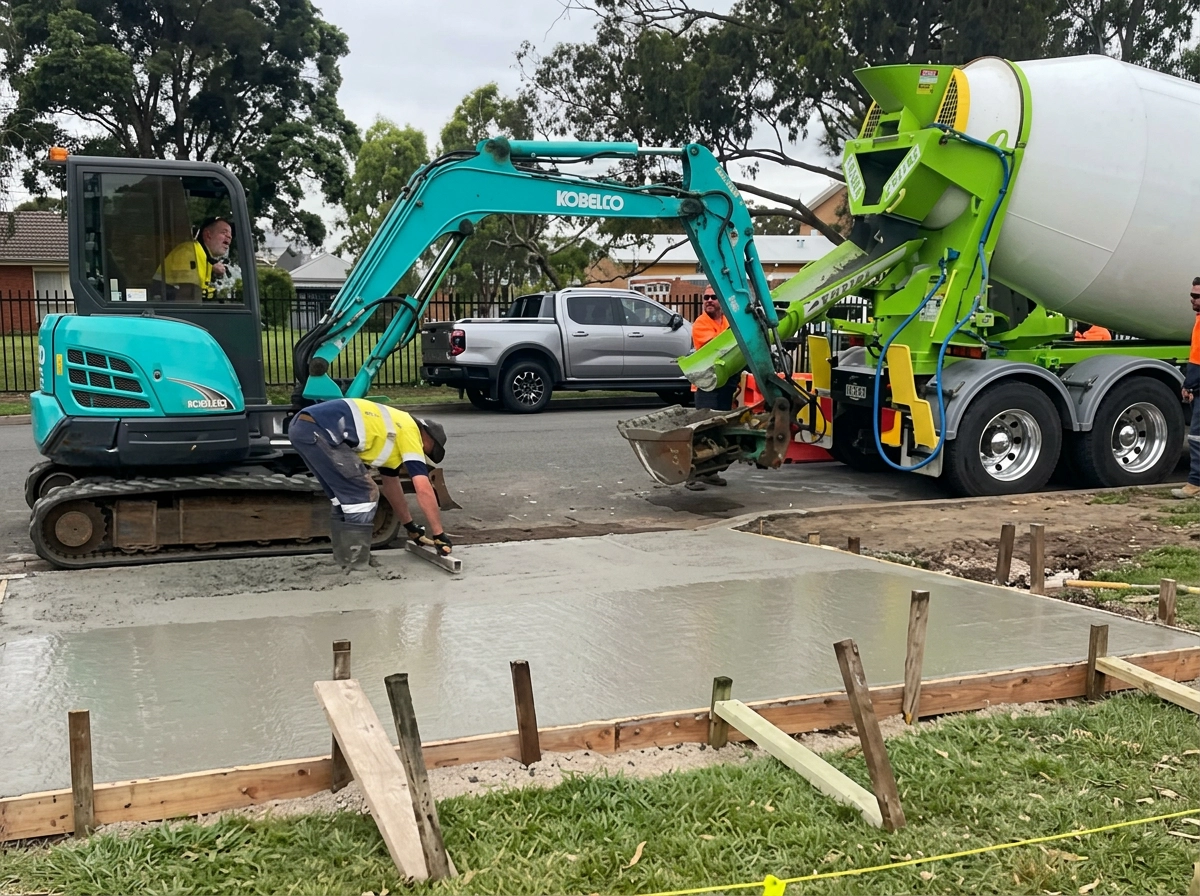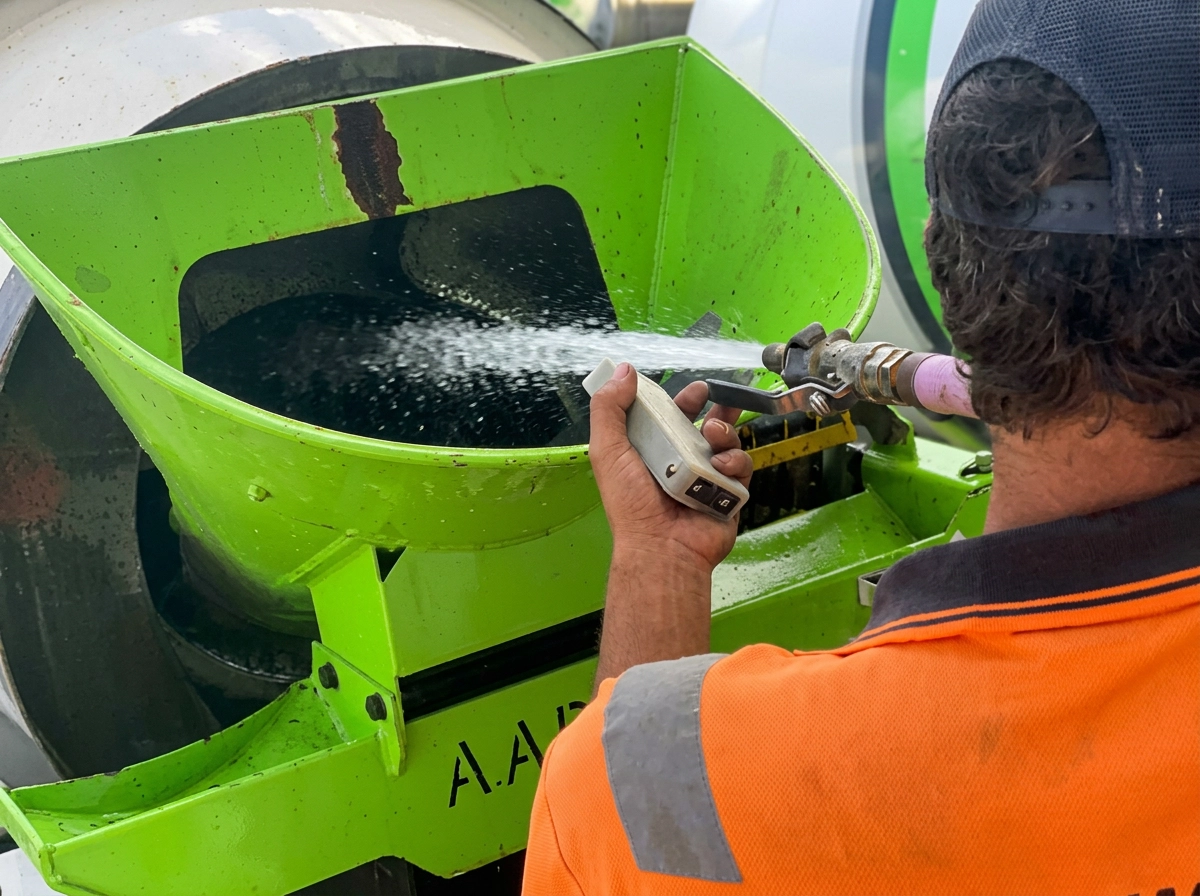

Environmental Performance

Environmental Outcomes that matter

Concrete is responsible for approximately 8% of global man-made CO₂ emissions, primarily due to its cement content.

Green Fatigue Prevails. The industry has been talking about it for more than 20 years. But practical solutions have been elusive.

Xencrete was developed by practical people with a simple objective:

Low carbon concrete
that behaves like… concrete.

Lower Cement Content = Lower Embodied Carbon

The most effective way to reduce the embodied carbon of concrete is to reduce the amount of Portland cement required to produce it.

Concrete produced using Xencrete technology is significantly reducing OPC content while maintaining the performance characteristics expected from conventional concrete.

Commercial deployment has demonstrated CO₂ reductions of approximately 23–37% compared with conventional concrete mixes.

Reduced Water Usage

Concrete produced using Xencrete technology has demonstrated approximately 15% lower water usage compared with conventional concrete production.

Use of Recycled Materials

Xencrete technology has demonstrated compatibility with a broad range of virgin and recycled feedstocks. This flexibility allows producers to optimise environmental outcomes while maintaining operational reliability and concrete performance.
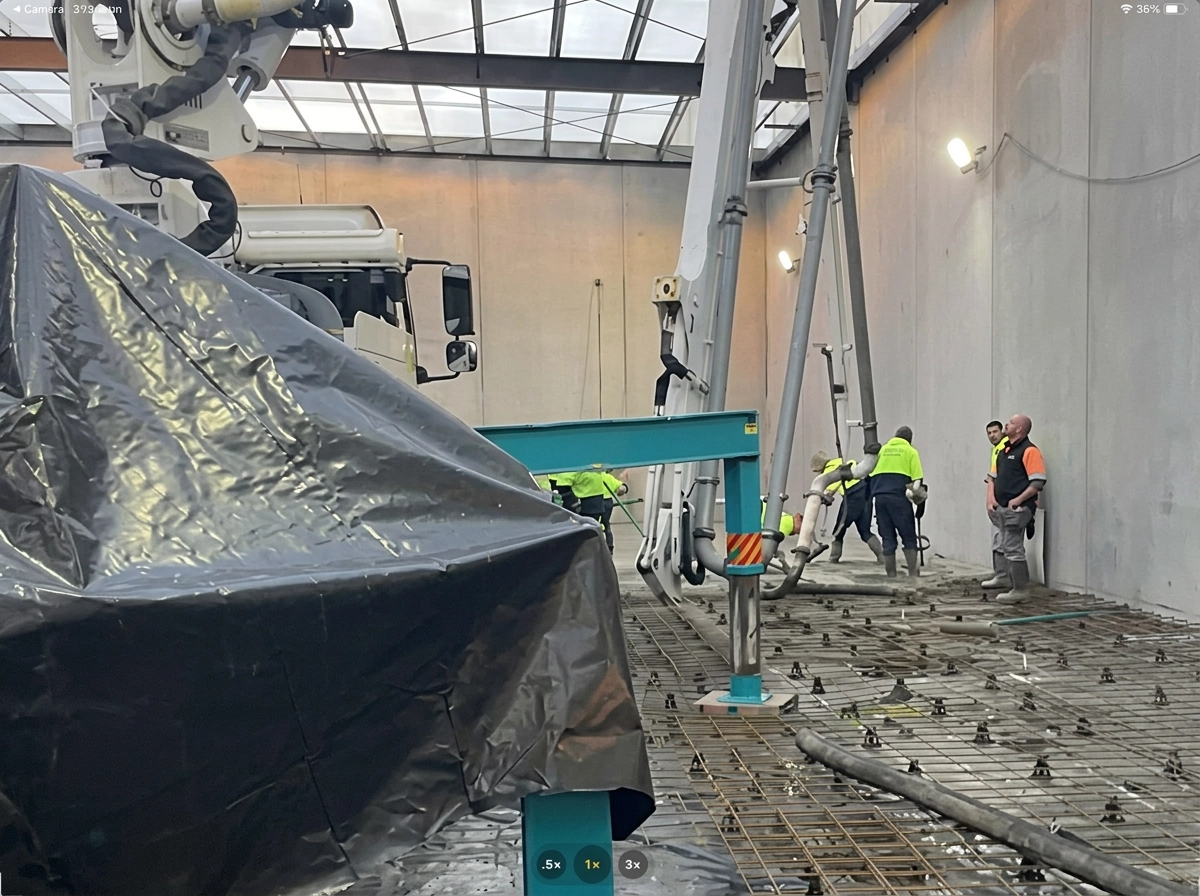
Environmental benefits are only meaningful if they work in the real world.

Xencrete does.

Xencrete is being used in concrete production every day, delivering measurable reductions in:

Cement Consumption

Cement
Consumption

Embodied
Carbon

Water reduction

Water
Usage

while maintaining the workability, reliability and performance expected by producers, contractors and end users.

Notes on metrics

¹ CO₂ reduction: based on direct comparison with client conventional mix designs. 

² OPC avoided: calculated based on direct comparison with client conventional mix designs.

³ CO₂ reduction estimated using cement reduction data and an assumed embodied carbon factor of 850 kg CO₂ per tonne of cement. Conventional cement in Australia typically embodies between 800 and 900 kg CO₂ per tonne.